


Table of Contents
- Why Reward Charts Fail Kids: The Psychology Behind the Stickers
- Alternatives to Sticker Charts That Build Real Motivation
- Reward Systems for Kids That Actually Work (and How to Encourage Positive Behavior Without Rewards)
- Frequently Asked Questions
Last Updated: September 24, 2026
Why Reward Charts Fail Kids: The Psychology Behind the Stickers
Traditional reward charts fail kids because they replace intrinsic motivation with external compliance, teaching children to chase stickers instead of building self-regulation. The chart isn't the issue, the reward architecture is.
A child earns a sticker, and dopamine fires in anticipation of the reward, not the behavior. Psychologists call this the overjustification effect, documented in American Psychological Association research on extrinsic rewards. The child isn't learning to be kind. They're learning to be paid.
Extrinsic vs. Intrinsic Motivation: Why the Difference Matters
Extrinsic motivation is driven by external rewards; intrinsic motivation by internal satisfaction or values. A child who shares for a sticker is extrinsically motivated; one who shares because it feels good is intrinsically motivated. Only one lasts past elementary school.
The Reward Inflation Trap
Start with one sticker per kind act, and within weeks the child negotiates for two, then a toy. This is reward inflation: the system requires escalation for the same response, and the child learns kindness has a price tag.
Why Charts Don't Address Underlying Needs
Most behavior parents want to change isn't defiance, it's a skill deficit or unmet emotional need. A child who melts down at transitions may lack executive function skills, not motivation, and a chart just adds pressure.
Alternatives to Sticker Charts That Build Real Motivation
Alternatives to sticker charts reinforce behavior through connection, autonomy, and meaning rather than transaction, shifting the goal from "what will I get?" to "who am I becoming?"
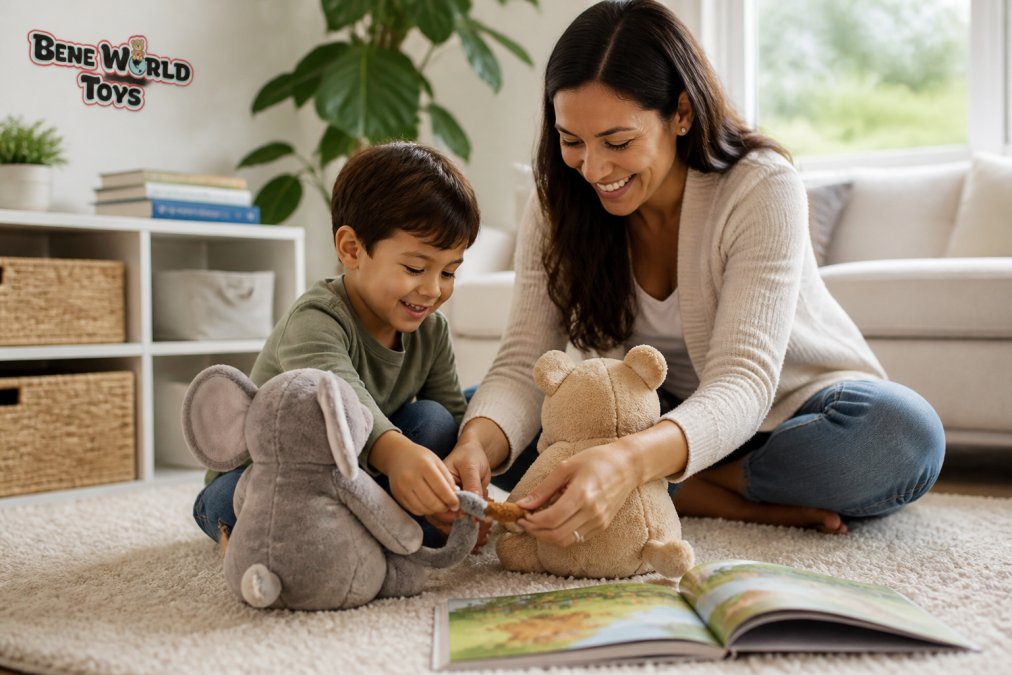
Connection-Based Reinforcement
Children repeat behaviors that get them connection, not prizes. A five-minute special moment after a kind act lands harder than a sticker because it meets the need underneath.
Collaborative Problem Solving
Instead of rewarding compliance, collaborative problem solving asks what's getting in the way. A child who refuses bedtime may need a slower wind-down, not a bribe; solving it together builds autonomy and internalized values.
Token Systems Done Differently
The difference is what the token represents. When it marks genuine kindness and opens a conversation, it's a ritual of reflection; when it's currency for compliance, it's operant conditioning with extra steps.
What Would You Do? Situational Card Game →
Reward Systems for Kids That Actually Work (and How to Encourage Positive Behavior Without Rewards)
Reward systems for kids that actually work are specific, tied to values, and fade as internal motivation takes over. A system requiring permanent external input isn't teaching anything, it's renting behavior.
How to Encourage Positive Behavior Without Rewards
Name the behavior, connect it to a value, and let the child feel the natural consequence: "You helped your sister without being asked. That's what kindness looks like." No sticker, no prize, just recognition that lands on identity, not transaction.
For families who want structure without the reward-chart trap, Bene World Toys offers a token-based system built on this principle. Each kit pairs a plush companion with a storybook, and children earn tokens for behaviors tied to respect, kindness, empathy, and giving. Collect all 15 and they redeem a parent-chosen reward, the token isn't payment, it's a marker of a moment the child can name and remember.

Age-Specific Developmental Milestones
What works at 3 looks nothing like what works at 8. Toddlers need immediate, concrete feedback; early elementary kids can link behavior to values; by 8, children can reflect on who they're becoming.
Teacher-Parent Alignment
Behavior systems collapse when home and school speak different languages. If a teacher and parent reinforce kindness differently, the child performs for each audience separately; aligning on the same values keeps the message consistent.
Transitioning Away From Charts
The best reward systems are designed to end. As a child internalizes a value, the external marker becomes unnecessary, so plan the fade from the start: fewer tokens, more conversation, until the behavior stands on its own.
| Approach | Best For | What It Builds | Long-Term Outcome |
|---|---|---|---|
| Sticker charts | Short-term compliance | External motivation | Fades or inflates |
| Connection-based reinforcement | Ages 3-8 | Trust and self-worth | Lasting internal drive |
| Collaborative problem solving | Ages 5+ | Autonomy and problem-solving | Internalized values |
| Value-linked token systems | Ages 3-8 | Named behaviors and reflection | Fades into identity |
Traditional reward charts fail kids because they mistake compliance for character.
Frequently Asked Questions
Why don't reward charts work for long-term behavior change?
Reward charts rely on extrinsic motivation, which fades once the sticker or prize stops. Research on operant conditioning shows behavior tied only to external rewards tends to disappear when the reward is removed. Kids may comply while the chart is active but never internalize the value behind the behavior, so the change doesn't last.
Do reward charts work for ADHD or neurodivergent kids?
Often they don't. Neurodivergent children may struggle with delayed gratification, executive function, and sensory processing, making abstract points or distant prizes hard to connect with. Immediate, tangible reinforcement like earning a token they can hold tends to work better because it gives instant feedback without demanding the same working memory.
What can I use instead of a sticker chart?
Try alternatives to sticker charts that focus on connection and internal motivation. A token-based system tied to a story or plush character, like Bene Bear's 15-token kit, gives kids something tangible to hold while the story explains why the behavior matters. Pair it with conversations about feelings and effort rather than prizes alone.