


Table of Contents
- How to Build Connection with Children Through Daily Habits for Parent-Child Bonding
- Social Emotional Learning Activities for Kids That Make Connection Repeatable
- Emotional Regulation Techniques for Families During Hard Moments
- Frequently Asked Questions
Last Updated: October 3, 2026
How to Build Connection with Children Through Daily Habits for Parent-Child Bonding
Learning how to build connection with children happens in small, repeated moments, not grand gestures, the idea behind our product line at Bene World Toys.
The parent-child relationship is the first place a child learns trust, empathy, and emotional support. Research from the American Academy of Pediatrics on positive parenting shows that warm, consistent interaction helps children manage big emotions and build healthy social skills. That is why the best bonding activities are short, simple, and repeatable.
Here are three daily habits that make connection a routine.
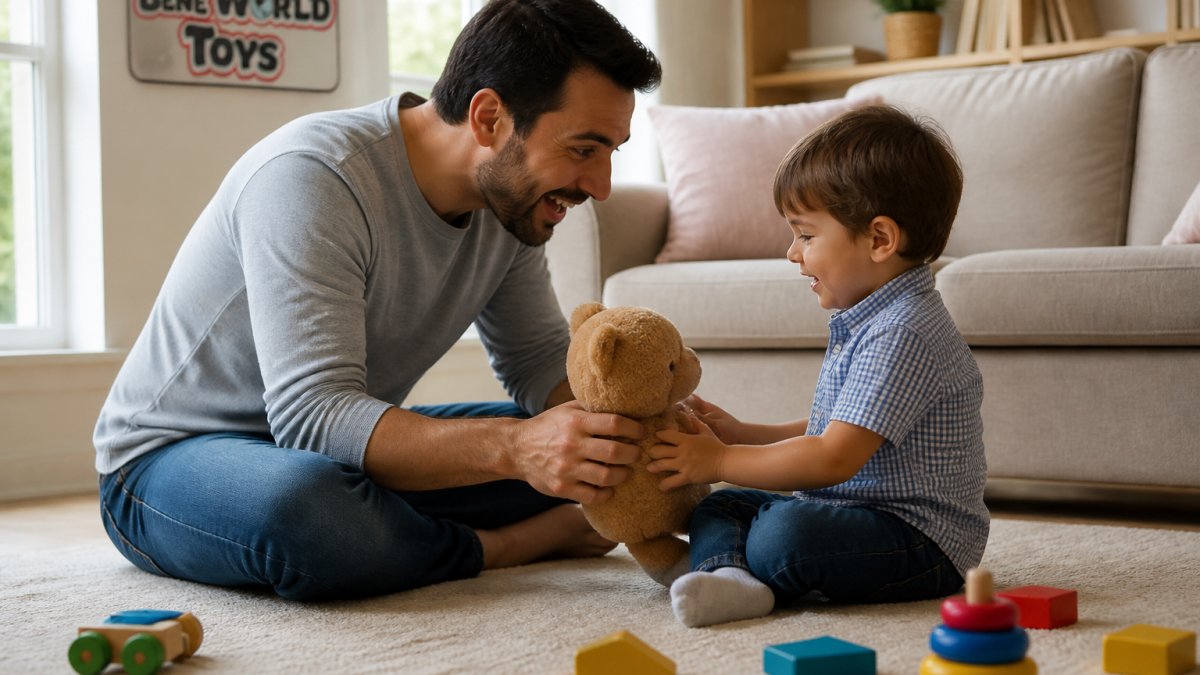
1. Ten minutes of play-based connection, every day. Let your child lead and put the phone in another room; distraction-free time signals warmth better than words.
2. A two-minute feelings check-in. Ask, "What was the best and hardest part of your day?" Then listen without fixing anything; active listening builds open communication.
3. One shared gratitude moment at bedtime. Name one thing you are both thankful for. This strengthens emotional regulation and gives kids language for feelings.
| Daily Habit | Time Needed | Best Moment | What It Builds |
|---|---|---|---|
| Play-based connection | 10 minutes | After school | Trust, warmth, play |
| Feelings check-in | 2 minutes | Dinner or drive home | Empathy, open talk |
| Shared gratitude | 1 minute | Bedtime | Emotional regulation |
Social Emotional Learning Activities for Kids That Make Connection Repeatable
Social emotional learning activities for kids work best when they turn abstract ideas like kindness into something a child can see and touch. That is how we design our kits at Bene World Toys.
Our Friendship Tails Kit: Pyro & Uniglo pairs a story with two plush friends. When a child shows friendship, like taking turns, they connect the magnetic tails, turning "be a good friend" into a repeatable action.

Simple activities that make connection repeatable:
- Feelings charades. Act out an emotion and let your child guess it, building emotional vocabulary.
- Story time plus talk. Read a story, then ask, "How do you think they felt?" This grows empathy.
- Gratitude journaling. Note what you are both thankful for.
- Role-play real moments. Practice sharing, waiting, and saying sorry.
The goal is not one perfect lesson. It is a supportive environment where social-emotional skills get practiced a little, most days.
Our Thankful Tails: Nash and Frankie kit makes gratitude concrete: kids link the magnetic tails and write what they are thankful for, building daily habits of gratitude and kindness.

Emotional Regulation Techniques for Families During Hard Moments
Emotional regulation techniques for families turn a meltdown into a moment of connection. The repair after a hard moment often matters more than the moment itself.
Co-regulation comes first: a child borrows your calm before finding their own. Slow your voice, get down to their level, and stay close, proximity and a gentle tone do more than a lecture.
Steps during a big feeling:
- Name it. "You look really frustrated." Naming emotions builds emotional regulation.
- Stay warm. Keep your voice low and your body relaxed.
- Wait. Give the feeling a minute before you problem-solve.
- Repair. Afterward, reconnect. "That was hard. I am here. We are okay."
Our Brave Tails: Gracey and Louey kit helps kids name fear and still take the next step; connecting the tails gives children language for big feelings and a tactile "I did it" moment.
For a hands-on way to practice choices and positive behavior, our What Would You Do? Situational Card Game gives kids 60 real-life situations to talk through together.

Frequently Asked Questions
How can I build a stronger emotional bond with my child in 10 minutes or less?
Ten minutes of child-led play does more than an hour of distracted time. Put your phone in another room, sit on the floor at your child's eye level, and let them choose the game. Follow their lead instead of directing the play. This gives your child positive attention and physical proximity, two building blocks of attachment. Pair it with a short bedtime ritual, like naming one thing you are both thankful for, and the habit becomes something your child expects and looks forward to each day.
What are simple social emotional learning activities for kids I can do at home?
Start with naming feelings out loud during everyday moments: 'You seem frustrated that the tower fell.' This builds emotional vocabulary and shows empathy. A situational card game with prompts like 'What would you do if a friend felt left out?' turns these conversations into play. Story-led kits that pair a plush companion with a short story also work well, because children practice kindness, gratitude, or bravery, then connect the magnetic tails when they show that behavior. The tactile moment makes the lesson stick.
How do I stay connected with my child during conflict or after a meltdown?
Repair matters more than prevention. After big feelings settle, get close, lower your voice, and name what happened without blame: 'We both got upset. I still love you.' This is co-regulation in practice, and it teaches children that relationships survive hard moments. Then invite a small reconnection, like reading together or holding a plush toy while you talk. Children learn emotional regulation techniques for families by watching how you return to calm, not by never losing your temper.
Building connection with children is not about finding more hours in the day. It is about making the small moments count, day after day. Bene World Toys helps families do exactly that, with plush toys and storybooks that turn kindness, gratitude, and emotional regulation into daily habits. Our token-based reward system, magnetic tail connections, and write-in pages make positive behavior repeatable and fun. Get started with Bene World Toys and turn everyday moments into lasting connection.